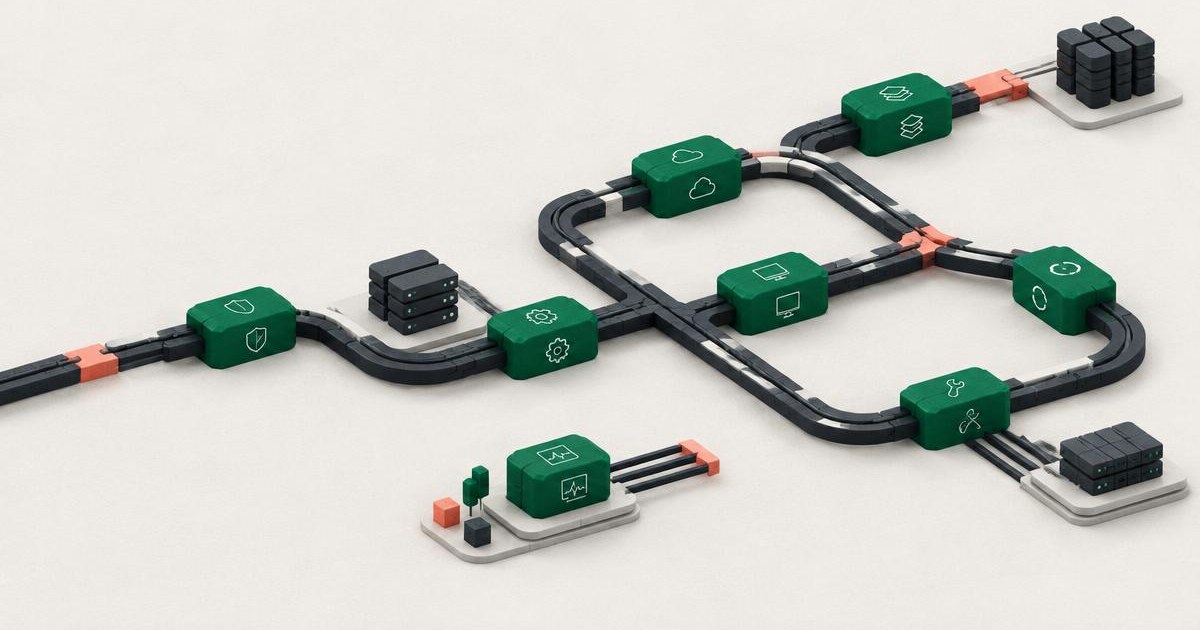
Document how common work should move from request to resolution. Include intake, triage, assignment, escalation, client communication, quality checks and closure. Compare that designed path with what technicians actually do. Gaps often reveal unclear ownership, missing information or tools that encourage workarounds.
Start with the highest-volume or highest-risk workflows. A concise process used by the team is more valuable than an extensive manual nobody consults. Make the expected decision points explicit, especially where priority, security or commercial scope may change the route.
- First response can show accessibility, but not whether the response was useful.
- Resolution time should be segmented by priority and work type before conclusions are drawn.
- Reopened tickets may reveal incomplete diagnosis, rushed closure or unclear client confirmation.
- Escalation patterns can expose training gaps, poor documentation or uneven assignment.
- Backlog age shows whether work is flowing, while a total ticket count alone may hide delay.
Utilisation is useful when it supports planning, not when it becomes a target that rewards time recording over good outcomes. Review trends across teams and work types. Separate client delivery from internal projects, training and management responsibilities so the organisation understands where capacity goes.
When demand exceeds capacity, investigate the cause before recruiting. Repeated manual tasks, avoidable escalations, poor alert quality and inconsistent client environments can consume time that another employee will not automatically recover. Where additional people are genuinely needed, the evidence will support a clearer role and timing decision.
Automation can accelerate a good process or spread a flawed one. Define the desired outcome, inputs, exceptions and ownership first. Test the workflow manually, then automate stable steps with monitoring and a route for human review.
Use standardisation to reduce unnecessary variation in onboarding, access changes, patching, reporting and offboarding. Keep room for justified exceptions, but record why they exist and who reviews them.
Bring a small, consistent set of measures to a regular meeting. Discuss exceptions, recurring causes, client impact and the action needed. Assign an owner and date rather than carrying the same issue into the next review.
The best operational improvement is often modest: a clearer handover, a removed duplicate step or a better knowledge article. Repeated across the service, those changes create more dependable delivery without relying on heroics.
Keep the measures few enough that managers can investigate them properly. A smaller dashboard with named actions will outperform a large report that nobody owns.